Local Dumpster Rental: What You Should Know About Driveway Placement, Permits, and Pickup Scheduling
Plan a smooth local dumpster rental with tips on sizing, placement, permits, and pickup. Contact Junk Tank to schedule your cleanup today.
Keep your construction site safe and efficient. Learn how partnering with a professional dumpster rental company streamlines daily workflow and compliance.
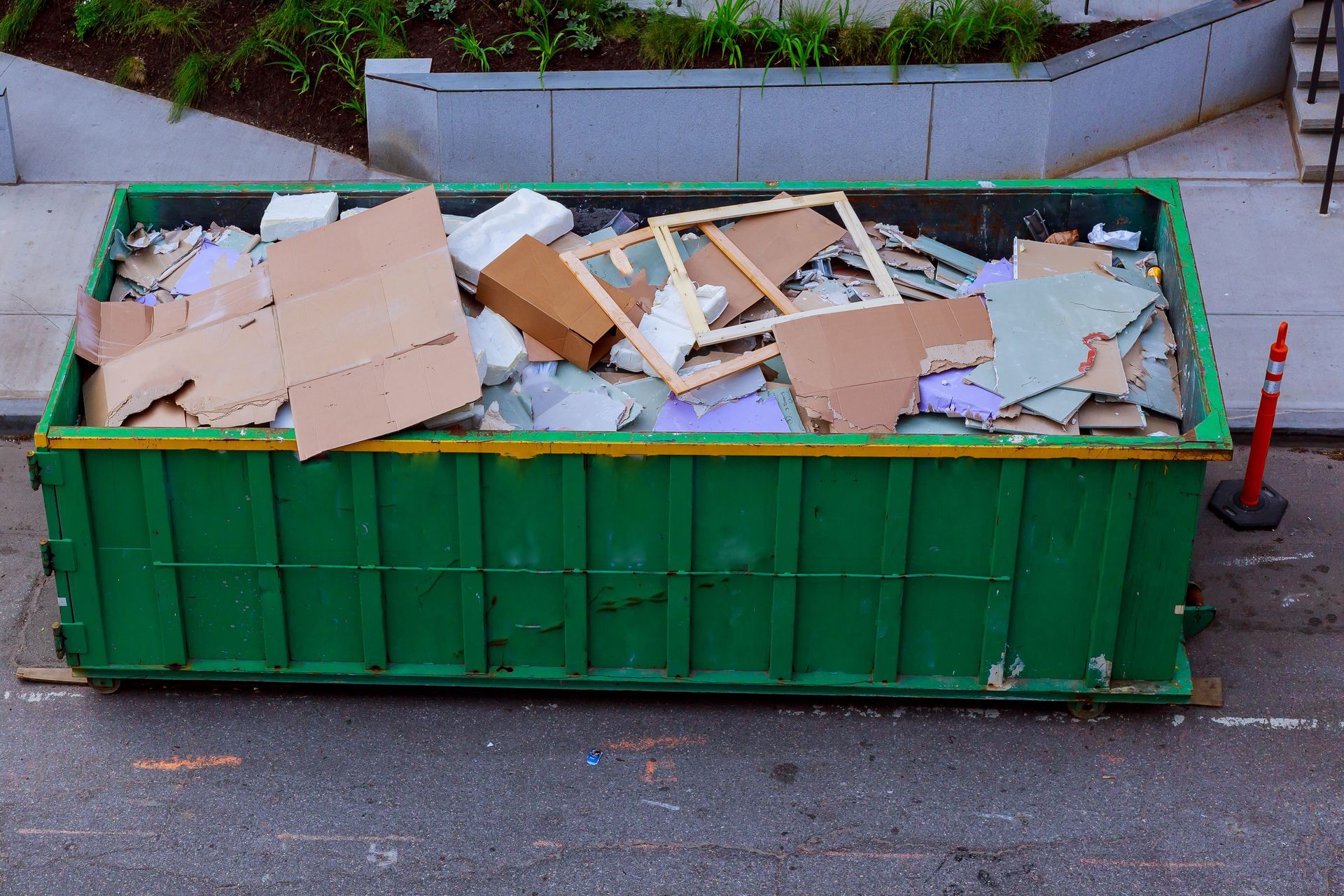
Construction projects generate significant amounts of debris, making effective waste management essential for maintaining a safe, organized, and productive worksite. Whether you're overseeing a residential renovation, commercial construction project, or major demolition, choosing the right dumpster can help your project progress smoothly. At Junk Tank, we understand that every construction project has unique waste disposal requirements. Selecting the appropriate dumpster rental involves considering debris type, project duration, container capacity, and disposal regulations. Understanding these factors can help prevent unnecessary expenses, reduce delays, and keep your construction site organized. Understanding Your Construction Project's Waste Management Needs Evaluating Your Construction Project's Scope The size and nature of your construction project influence your waste disposal needs. Residential remodeling projects generally produce different quantities and types of debris than commercial construction projects. For example, a bathroom renovation might generate old fixtures, drywall, flooring, and cabinetry. A commercial demolition project could produce substantial amounts of concrete, metal, and lumber. Before selecting a dumpster rental, consider the expected volume and composition of your construction debris. Our team at Junk Tank can help customers evaluate their projects and identify suitable waste management options. Evaluating Your Construction Project's Timeline Project duration influences how long a dumpster will be needed and whether additional waste collection services might be necessary. Smaller renovations may require a container for several days, while extensive construction projects could involve weeks of debris removal. Construction schedules can also change because of weather, material deliveries, or unexpected complications. Planning for these possibilities helps reduce interruptions and ensures adequate disposal capacity remains available. At Junk Tank, we encourage customers to discuss their anticipated timelines when arranging services so we can help coordinate delivery and removal. Evaluating Your Construction Project's Debris Construction sites generate numerous waste materials, including lumber, drywall, roofing materials, flooring, concrete, and metal. According to the Environmental Protection Agency (EPA), approximately 107 million tons of asphalt concrete were generated as construction and demolition debris in 2018. This statistic demonstrates the substantial quantities of heavy materials produced by construction activities nationwide. Heavy materials require particular attention because dumpster weight restrictions may be reached before a container is completely filled. Certain materials, including hazardous chemicals, asbestos-containing debris, and contaminated building products, require specialized handling and cannot be placed in ordinary construction dumpsters. Discussing acceptable materials with a professional dumpster rental provider helps prevent disposal complications and ensures appropriate arrangements are made. Understanding Available Dumpster Types and Sizes Comparing Common Dumpster Sizes Construction dumpsters are available in several capacities. Common roll-off container sizes include 10, 20, 30, and 40 cubic yards, although availability varies among providers. A 10-yard dumpster may suit smaller renovations or limited quantities of heavy debris. A 20-yard container often accommodates moderate remodeling work, while 30-yard and 40-yard containers may suit larger construction and demolition projects. However, choosing the largest container isn't necessarily economical. Material weight, placement space, and expected debris volume should influence the decision. At Junk Tank, we believe selecting the right container starts with understanding each customer's project. Comparing Standard and Specialized Dumpsters Standard roll-off dumpsters commonly accommodate general construction debris, including wood, drywall, and renovation materials. However, projects involving substantial quantities of concrete, asphalt, brick, or masonry may require containers approved for heavy debris. These materials can quickly exceed weight allowances, even when a dumpster appears partially filled. Specialized disposal requirements may also apply to materials that cannot be mixed with ordinary construction waste. Hazardous substances generally require separate handling through qualified waste management providers. When considering a dumpster rental, customers should explain the materials they expect to discard so the provider can recommend appropriate disposal arrangements. Comparing Roll-Off and Front-Load Dumpsters Roll-off and front-load dumpsters serve different waste management purposes. Roll-off dumpsters are large containers delivered by specialized trucks. Their open-top design and substantial capacity make them useful for construction projects, renovations, and demolition work. Front-load dumpsters are generally smaller containers used for regularly scheduled commercial waste collection. They're commonly found behind restaurants, offices, and retail buildings. Construction projects typically benefit from roll-off containers because they accommodate bulky materials and substantial debris volumes. Understanding these differences helps customers select a waste management solution that aligns with their project's demands. Understanding Dumpster Placement and Delivery Requirements Assessing Available Placement Space Dumpster placement influences container selection and delivery arrangements. Construction sites vary in available space, accessibility, and surrounding conditions. A residential driveway may accommodate a smaller container, while a commercial construction site might provide room for larger equipment. Delivery vehicles also need sufficient clearance to safely position and retrieve dumpsters. Overhead power lines, low-hanging branches, narrow entrances, and uneven surfaces can create placement challenges. Our team at Junk Tank encourages customers to communicate potential access limitations before scheduling a dumpster rental. Discussing these details beforehand helps avoid delivery complications. Assessing Local Placement Regulations Local municipalities may establish requirements governing dumpster placement, particularly when containers occupy public streets. Depending on the location, permits may be necessary before placing a dumpster on public property. Certain communities also restrict container placement or the length of time equipment can remain on-site. These requirements vary by jurisdiction and should be confirmed before delivery. Working with a knowledgeable waste management provider can help customers understand important placement considerations. Planning ahead supports smoother scheduling and reduces unexpected regulatory complications. Assessing Delivery and Pickup Scheduling Timely dumpster delivery and removal help keep construction projects organized. A container arriving too early may occupy valuable workspace unnecessarily, while late delivery can interfere with construction activities. Pickup scheduling deserves equal attention. When containers reach their approved capacity, prompt removal or replacement may be necessary. For longer projects, coordinating additional pickups helps prevent debris accumulation. At Junk Tank, we encourage customers to communicate scheduling expectations and anticipated changes early. Effective coordination supports an orderly construction process. Understanding Dumpster Rental Costs and Services Reviewing Rental Pricing Factors Several factors influence the overall cost of renting a construction dumpster. Container size, rental duration, debris weight, disposal fees, and transportation requirements can affect pricing. Some providers include a specified weight allowance, while others charge additional fees when that allowance is exceeded. The type of material being discarded can also influence expenses, particularly when heavy debris requires specialized processing. Before committing to a dumpster rental, customers should understand what services are included in the quoted price. Reviewing these details helps establish realistic budgets and reduces unexpected charges. Reviewing Rental Terms and Restrictions Rental agreements commonly establish guidelines concerning acceptable materials, container weight limits, rental periods, and pickup arrangements. Understanding these terms is important because construction schedules and debris quantities can change unexpectedly. Overfilled dumpsters may create transportation hazards and require additional arrangements before removal. Prohibited materials can also result in extra handling requirements or disposal charges. Customers should clarify these restrictions before their containers arrive. At Junk Tank, we believe clear communication about service expectations helps customers make informed decisions and avoid complications. Reviewing Professional Waste Management Benefits Professional waste management services offer advantages beyond providing a container for construction debris. Reliable delivery and pickup arrangements help maintain organized worksites and reduce disruptions. Proper container selection can improve space utilization and minimize unnecessary disposal expenses. Professional providers can explain material restrictions, weight limitations, and other considerations before debris collection begins. For contractors managing multiple projects, dependable waste removal services are valuable when coordinating construction schedules. Choosing an experienced dumpster rental provider allows project managers to focus on construction activities while leaving container transportation and approved waste disposal arrangements to professionals. Choosing Junk Tank for Your Construction Waste Needs Supporting Efficient Construction Cleanup At Junk Tank, we recognize that construction projects require practical waste management solutions that accommodate changing schedules, different debris materials, and varying project sizes. Whether you're planning a residential renovation or coordinating a larger construction project, understanding your waste disposal requirements is essential. Our goal is to help customers make informed decisions while emphasizing convenient scheduling, clear communication, and responsible waste management practices. Supporting Your Next Construction Project The right dumpster can keep your construction site organized, reduce waste-related interruptions, and support an efficient project timeline. By considering container capacity, debris weight, placement requirements, and rental terms, you can make a selection that fits your project's needs. If you're preparing for construction or renovation work, contact Junk Tank to discuss your dumpster rental needs. We're here to help you explore suitable options and plan for an organized construction cleanup experience.