October 12, 2026
When you need to tackle a major cleanout, home renovation, or construction project, securing a local dumpster rental is often one of your most critical logistical decisions. With numerous providers serving your area, making an informed choice ensures you receive transparent pricing, timely delivery, and dependable service. According to IBIS World, the market size of the Dumpster Rental industry in the U.S. is $654 million in 2026. Because of this massive market growth, navigating your options can feel overwhelming. Understanding key selection criteria helps you choose the right local dumpster rental partner for your project.
Evaluating Company Reputation
Checking Online Reviews and Ratings
Online reviews offer direct insights into customer experiences with a local dumpster rental provider. Platforms like Google Reviews and Yelp highlight real-world feedback regarding punctuality, billing transparency, and customer service quality. Look for consistent patterns rather than isolated complaints. A provider with strong, consistent ratings generally demonstrates a commitment to operational excellence.
Seeking Word-of-Mouth Recommendations
Personal recommendations from friends, neighbors, or local contractors remain one of the most trustworthy ways to evaluate a local dumpster rental service. Direct feedback often reveals details about driver professionalism, site protection, and overall reliability that online profiles might miss. Local community forums are also valuable resources for candid suggestions.
Assessing Industry Experience
Years of operation in your area indicate a proven track record. Established rental providers have built refined logistical networks, trained drivers, and strong relationships with regional waste transfer stations. Selecting an experienced provider minimizes the risk of scheduling delays or surprise operational issues during your project.
Verifying Customer Testimonials
Beyond generic ratings, detailed customer testimonials offer insight into specific project scenarios. Review client stories on provider websites to see how they handle challenges, accommodate special requests, or manage tight spaces. Authentic testimonials give you a clear picture of what to expect throughout your rental period.
Reviewing Industry Awards and Certifications
Industry certifications and local business awards set exceptional providers apart from competitors. Recognition from trade organizations or local business associations highlights compliance with safety standards and environmental regulations. These credentials serve as added reassurance when choosing a reliable waste disposal partner.
Exploring Available Services
Selecting Residential Dumpsters
Residential containers are designed specifically for home cleanouts, landscaping upgrades, and remodeling projects. Available in various yard capacities through local dumpster rental, these containers are delivered directly to home driveways and retrieved once filled. Choosing the right residential container size keeps project sites organized while preventing unnecessary expenditure on unused space.
Securing Commercial Dumpsters
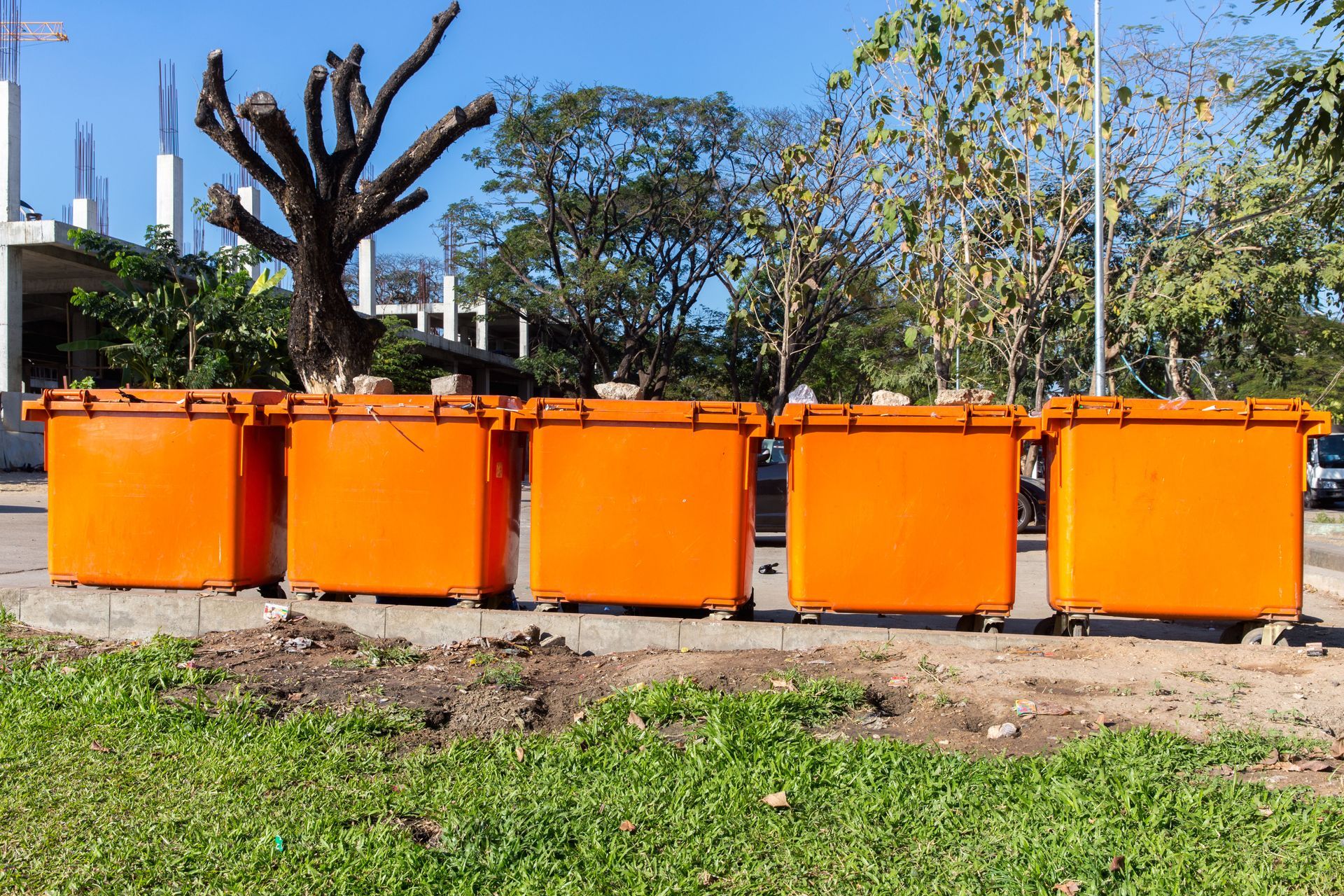
Commercial waste containers serve businesses requiring routine management for ongoing refuse. These containers handle packaging, office furnishings, and general solid waste. Partnering with a reliable waste handler keeps business operations running smoothly while ensuring consistent compliance with commercial disposal codes.
Renting Construction Dumpsters
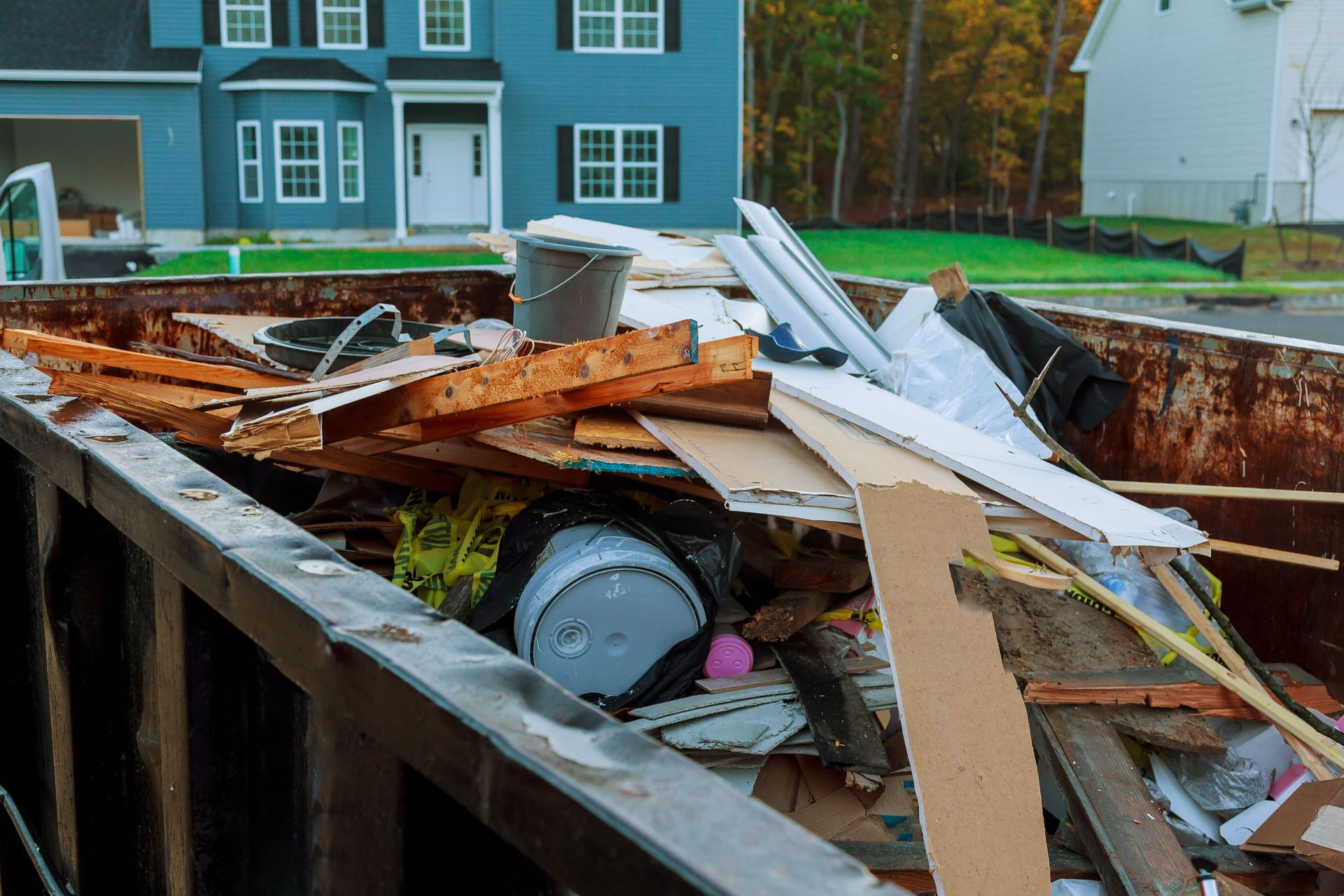
Heavy-duty construction containers are built to handle dense materials such as concrete, lumber, brick, and roofing shingles. These rugged units are essential for active job sites, helping contractors maintain safety and efficiency. Adequate weight capacity and durable container design prevent project downtime and safety hazards.
Utilizing Roll-Off Containers
Roll-off containers feature open tops and specialized rear loading doors for effortless loading of bulky items. Delivered by specialized trucks, roll-off units accommodate large volumes of waste for both residential and commercial renovations. Flexible placement options make roll-off containers an ideal choice for diverse cleanup sites.
Managing Specialty Waste Disposal
Certain materials, such as electronics, appliances, tires, or hazardous waste, require specialized handling and disposal protocols. Reputable waste managers offer dedicated guidance or specialized collection for these regulated items. Checking a company's capabilities for specialty waste prevents improper disposal and potential environmental fines.
Understanding Pricing Structures
Comparing Flat-Rate and Variable Pricing
Pricing models generally fall into flat-rate or itemized variable structures. Flat-rate billing bundles delivery, pickup, weight allowances, and disposal fees into one upfront cost, offering high predictability. Variable pricing adjusts based on final landfill weight, which can lead to unexpected surcharges if not monitored closely. Evaluating these models helps keep your local dumpster rental within budget.
Identifying Hidden Fees and Extra Charges
Always review terms carefully to avoid surprise charges on your final invoice. Common extra costs include over-weight penalties, trip fees for blocked drop-off areas, and daily fees for exceeding agreed rental periods. Ask providers for a complete fee schedule before finalizing your reservation.
Performing Competitive Price Comparisons
Request quotes from multiple providers to benchmark market rates in your area. Ensure each quote covers identical container dimensions, weight limits, and rental lengths to make accurate comparisons. Spotting pricing disparities helps you identify fair market value without sacrificing service quality.
Evaluating Rental Duration Costs
Project timelines vary, making flexible rental terms essential. Many companies offer standard 7-day or 10-day packages with daily extensions available for a small fee. Clarify extension costs beforehand so you can adjust your timeline without paying exorbitant late penalties.
Asking About Promotional Discounts
Many waste management businesses offer seasonal discounts, contractor volume rates, or introductory specials. Inquire about current promotions when contacting representatives for quotes. Taking advantage of available discounts can significantly reduce your overall disposal expenditures.
Reviewing Delivery and Scheduling
Checking Geographic Coverage Areas
Confirm that a provider actively serves your exact municipality or neighborhood. Local providers operating within a compact radius often deliver faster response times and lower transport fees. Verifying geographic coverage early prevents unexpected delivery surcharges.
Assessing Turnaround Times
Prompt delivery keeps your workflow on schedule. Leading container providers offer same-day or next-day placement for urgent cleanups. Quick turnaround capabilities reflect efficient logistics and a dedication to customer satisfaction.
Requesting Flexible Scheduling Options
Renovation schedules change rapidly due to weather or labor delays. A reliable rental partner offers adaptable delivery and pickup windows to suit evolving job site needs. Responsive customer service ensures smooth adjustments whenever timelines shift.
Utilizing On-Demand Services
On-demand delivery and haul-away options cater to urgent project demands or emergency property restorations. Rapid-deployment options minimize site clutter and keep emergency work progressing safely. Confirm if your provider maintains reserve inventory for sudden requests.
Ensuring Timely Pickups
Prompt pickup at project completion frees up space on your driveway or construction site. Unnecessary delays in container removal block access and create hazards. Check past customer reviews to verify that a provider maintains reliable pickup commitments.
Determining Size and Capacity
Selecting Proper Container Sizes
Roll-off containers are measured in cubic yards, typically ranging from 10 to 40 yards. Choosing the right size ensures you have adequate volume without paying for unused space. Experienced customer service teams can estimate your volume needs based on project descriptions.
Matching Volume to Project Needs
Accurately calculating refuse volume prevents the hassle of needing a second container mid-project. Estimating debris bulk, such as furniture, drywall, or tree branches, helps you select a container that accommodates all waste safely in a single trip.
Aligning Containers with Project Types
Matching container specifications to your project type improves job site safety and efficiency. Small cleanouts suit compact containers, while whole-home remodels require higher-capacity units. Discussing project details with your provider ensures you receive the optimal equipment.
Understanding Weight Limit Regulations
Every container comes with a strict weight capacity governed by road safety regulations. Dense materials like soil, concrete, or tile reach weight thresholds rapidly. Understanding weight restrictions helps you load materials safely and avoid heavy overload fees at the landfill.
Exploring Customized Solutions
Unique sites may require customized solutions, such as driveway protection boards, tight-space placement, or tailored pickup frequencies. Providers willing to adapt to site constraints deliver a superior rental experience tailored to your project.
Selecting the right local dumpster rental service involves balancing transparent pricing, equipment options, prompt delivery, and eco-friendly disposal practices. Evaluating these factors helps ensure your project runs smoothly from delivery to final pickup. When you need a reliable, customer-focused waste disposal partner for your next cleanup or renovation, turn to Junk Tank for prompt service, competitive rates, and hassle-free solutions.