October 15, 2026
Construction projects generate substantial amounts of debris, and how that waste is handled can directly affect productivity, safety, costs, and timelines. A well-organized waste management strategy keeps materials from interfering with daily operations while helping crews maintain a cleaner and more efficient work environment. Planning waste removal alongside other site logistics can make a noticeable difference in overall performance.
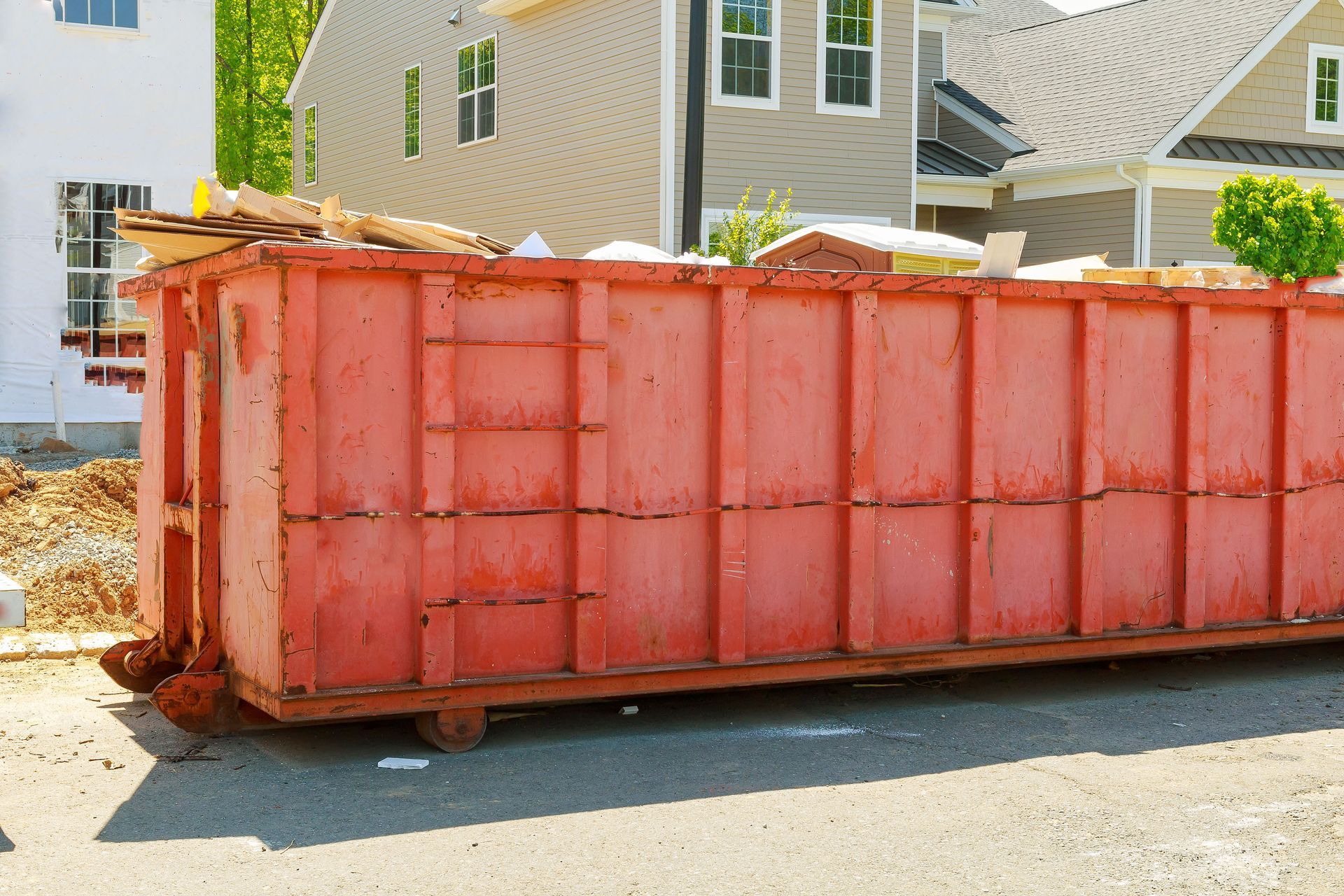
According to World Metrics, construction and demolition waste constitutes 30% of all waste hauled in roll-off dumpsters. With that much material moving through construction sites, dependable collection and disposal processes are essential. A well-planned dumpster rental service can help keep debris contained and removed according to the project's needs.
Managing Waste Throughout the Project
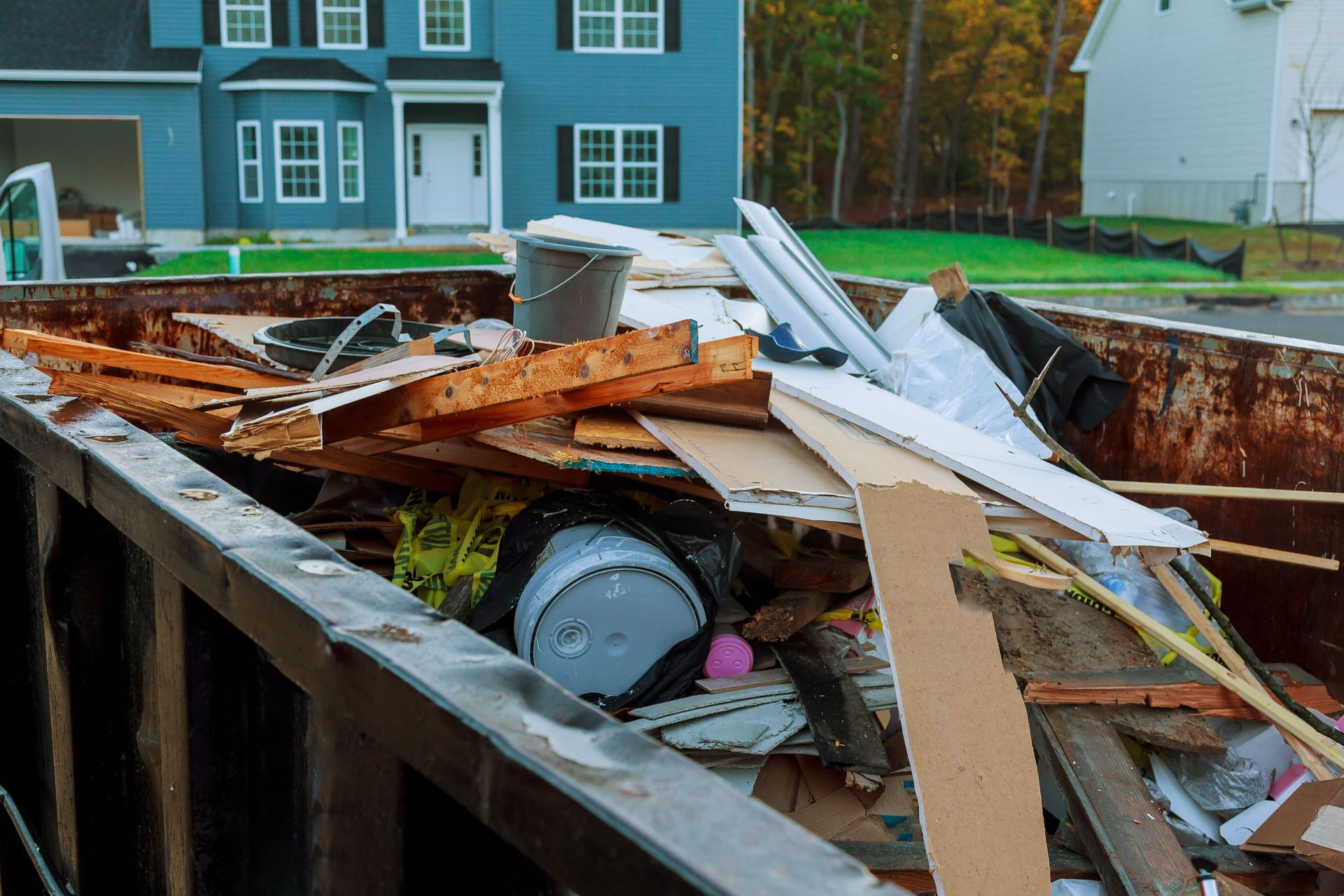
Construction waste can include concrete, wood, drywall, metal, packaging, roofing materials, and other debris. Different phases of a project can produce very different waste streams, so the volume and type of material should be considered when planning removal services. Keeping waste contained and organized makes it easier for crews to maintain clear work areas.
A dumpster rental service can provide an organized location for collecting common jobsite debris. Having containers positioned where they can be accessed by workers and collection vehicles can reduce the time spent moving waste around the property. It also provides a predictable way to handle debris as construction progresses.
Waste management should also account for materials that require specialized handling. Hazardous substances and certain regulated materials may need to be managed according to applicable requirements rather than placed with ordinary construction debris. Proper planning helps prevent compliance problems while keeping potentially dangerous materials away from general waste streams.
Controlling Project Costs
Waste can become an unexpected expense when disposal needs are not included in the original project plan. Additional hauling, overloaded containers, inefficient collection schedules, and unnecessary material waste can all increase operating costs. Planning waste removal in advance allows project managers to better anticipate these expenses.
Using a dumpster rental service can make disposal costs easier to manage because containers and pickups can be scheduled around expected waste volume. Instead of allowing debris to accumulate until it becomes a logistical problem, managers can arrange collection based on project activity. This can help limit disruptions while keeping waste-related expenses more predictable.
Recycling can also reduce the amount of material sent to landfills when appropriate facilities are available. Metals, concrete, cardboard, and other materials may have recycling options depending on local requirements and available facilities. Separating suitable materials can support more efficient disposal while potentially reducing overall waste costs.
Improving Jobsite Safety
Construction debris can create numerous hazards when it is allowed to accumulate. Loose materials may obstruct walkways, interfere with equipment movement, or create slip and trip hazards. Sharp objects and unstable piles can also increase the potential for injuries.
A dumpster rental service gives crews a designated location for collecting appropriate debris rather than leaving waste scattered throughout active work areas. Containers can help keep materials consolidated and make removal easier when they reach capacity. A cleaner site can also make it easier for workers and supervisors to identify other hazards.
Safety considerations should remain part of waste planning throughout the project. As construction moves from one phase to another, waste volumes and materials can change significantly. Adjusting collection schedules and container needs accordingly helps prevent debris from becoming an obstacle to productive work.
Keeping Crews Productive
Time spent dealing with scattered waste is time that cannot be spent completing construction tasks. Workers may need to move debris away from work areas, search for suitable storage locations, or wait for waste to be removed. These interruptions can become costly when they occur repeatedly.
A dumpster rental service can simplify waste collection by giving workers a consistent place to deposit appropriate debris. Regular removal helps prevent containers from becoming overcrowded and keeps available work areas more usable. When waste logistics are planned alongside construction activities, crews can spend more time on their primary responsibilities.
Project managers can also coordinate waste pickups with other deliveries and site activities. Scheduling collection at appropriate times can reduce conflicts with equipment, material deliveries, and workers moving through the property. Better coordination creates a smoother flow of traffic and helps prevent waste removal from interfering with construction operations.
Minimizing Delays
Construction schedules depend on many moving parts, and waste removal is one of them. When debris accumulates, it can restrict access to work areas and interfere with equipment or material deliveries. If disposal arrangements are not available when needed, a project may experience avoidable interruptions.
Scheduling a dumpster rental service before waste becomes a problem can provide greater control over disposal needs. Container delivery and pickup dates can be coordinated with anticipated project milestones and periods of heavier waste generation. This helps ensure that disposal capacity is available when crews need it.
Consistent waste removal is particularly important during demolition, framing, roofing, remodeling, and other phases that can generate large amounts of debris. Planning for these periods ahead of time can reduce overflowing containers and unexpected hauling needs. In turn, the construction schedule can remain more predictable.
Supporting Environmental Responsibility
Construction companies increasingly have to consider the environmental impact of their operations. Reducing landfill waste, recovering reusable materials, and handling debris responsibly can contribute to more sustainable construction practices. Waste management is therefore both an operational and environmental concern.
A dumpster rental service can help construction teams manage large quantities of debris in a centralized manner. Depending on the provider and local facilities, some materials may be directed toward recycling or other appropriate processing options. Proper disposal can reduce the amount of material unnecessarily sent to landfills.
Environmental planning can also support a company's reputation with property owners, clients, and communities. Demonstrating responsible waste handling shows that a project is being managed with more than speed and cost in mind. Sustainable practices can become a meaningful part of a company's broader approach to responsible construction.
Choosing the Right Waste Capacity
Selecting an appropriately sized container is important for maintaining an efficient waste management process. A container that is too small may require frequent pickups, while one that is unnecessarily large may be an inefficient use of resources. Project managers should consider the type, volume, and timing of expected waste. Experienced providers can often help customers determine which capacity is appropriate based on expected debris. This can reduce interruptions caused by insufficient disposal space.
The right capacity can also make the jobsite easier to manage. Containers that accommodate expected waste volumes provide crews with a dependable disposal location without taking up more space than necessary. Careful placement and scheduling can further improve traffic flow around the property.
Making Waste Management Part of Planning
Waste management works best when it is treated as part of the construction plan rather than an issue addressed after debris has accumulated. Project managers can estimate waste volumes, identify expected materials, determine container requirements, and establish pickup schedules before major work begins. This preparation gives everyone a clearer understanding of how waste will be handled.
Including waste logistics in the project schedule also makes coordination easier. Container deliveries and removals can be planned around construction milestones, equipment movement, and material deliveries. This reduces conflicts and allows waste handling to become a routine part of site operations.
A reliable dumpster rental service can provide valuable support throughout this process. With appropriate containers and scheduled removal, construction teams can maintain cleaner work areas while reducing the time and effort required to manage debris. The result is a more organized site that is better positioned to stay on schedule.
Building More Efficient Jobsites
Effective waste management can influence nearly every aspect of construction efficiency. From controlling disposal costs and improving safety to reducing interruptions and supporting environmental goals, responsible debris handling provides benefits beyond simply removing unwanted materials. Construction companies that plan waste management carefully can create more organized and productive job sites.
The significant volume of construction and demolition waste generated nationwide makes reliable disposal planning especially important. By coordinating container capacity, pickup schedules, recycling opportunities, and site logistics, project managers can reduce many problems associated with uncontrolled debris. These efforts can contribute to smoother operations and better project outcomes.
For dependable waste removal during construction, renovation, demolition, or other major projects, Junk Tank can provide practical disposal solutions tailored to jobsite needs. Contact Junk Tank to discuss your project and find a waste management option that keeps debris under control without unnecessarily disrupting your schedule.